Merano Speck – the company

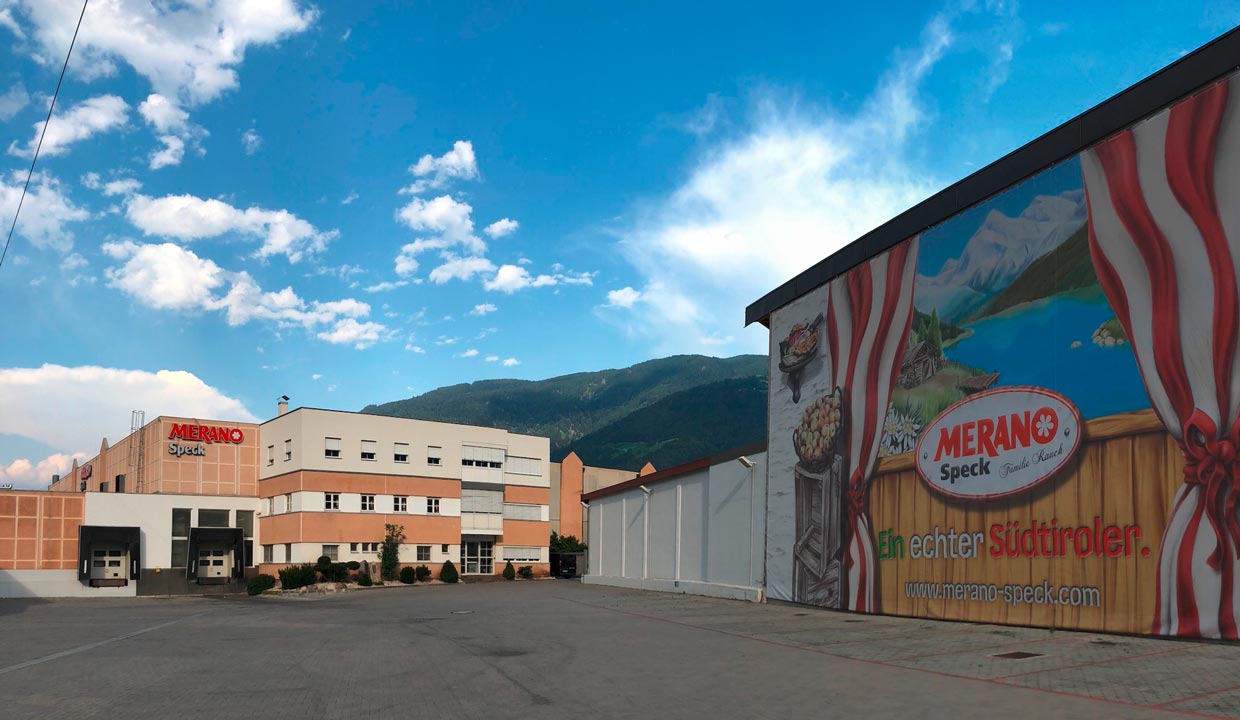
The foundation stone for the Merano Speck factory was laid in Naturns in 1989. During a hiking holiday in South Tyrol, the Rauch family from Essen fell in love with the tradition and the ham there. hey were particularly impressed by the location, at the meeting point between the Alpine region and the Mediterranean climate. This is how the idea came about to produce their own original South Tyrolean ham at the heart of this idyllic setting.
Tradition-conscious


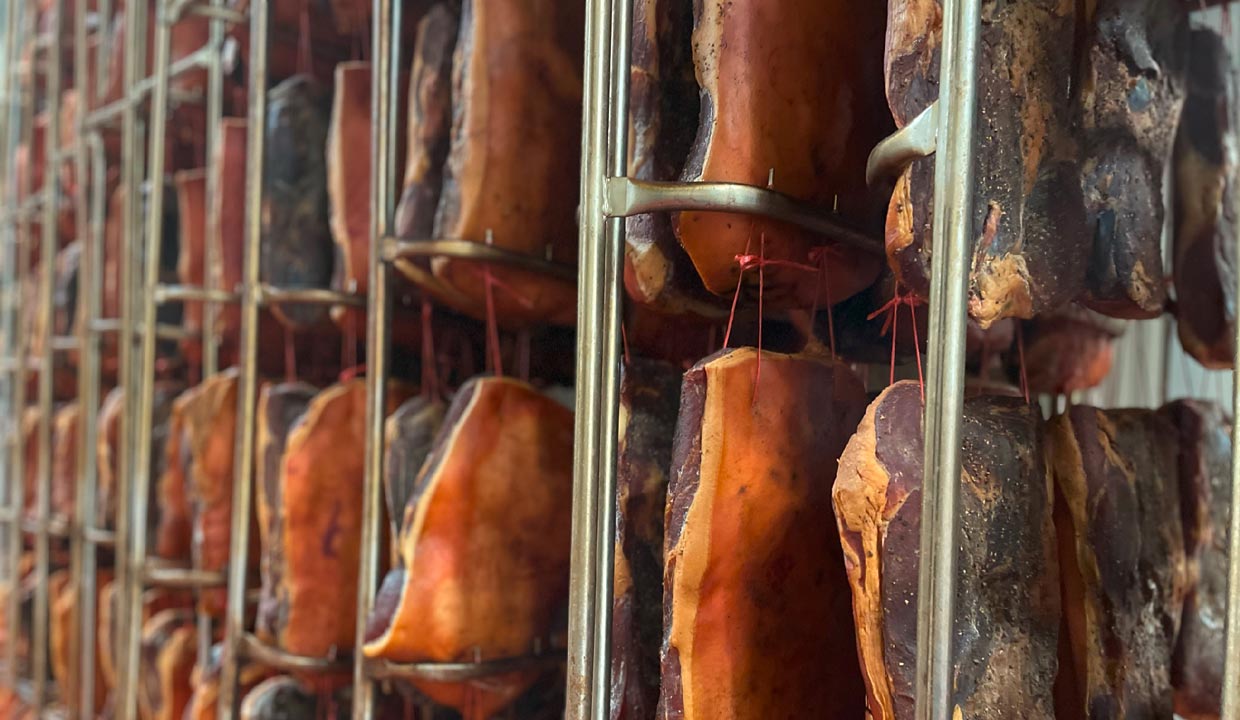
The goal of the Rauch family: A product that is both smoked and air-dried. This idea gave rise to the delicious Original Merano Speck, which captures the typical South Tyrolean way of life. With its unique blend of herbs, it has become a South Tyrolean speciality. For over 30 years, the family has been producing South Tyrolean speck and other typical specialities in Naturns according to traditional recipes – with care from the raw ingredients right through to the curing process. This craftsmanship is an expression of a culinary tradition that forms part of Italy’s gastronomic culture, recognised by UNESCO, and is shaped by time, regional diversity and handed-down knowledge.

Tradition-conscious


The goal of the Rauch family: A product that is both smoked and air-dried. This idea gave rise to the delicious Original Merano Speck, which captures the typical South Tyrolean way of life. With its unique blend of herbs, it has become a South Tyrolean speciality. For over 30 years, the family has been producing South Tyrolean speck and other typical specialities in Naturns according to traditional recipes – with care from the raw ingredients right through to the curing process. This craftsmanship is an expression of a culinary tradition that forms part of Italy’s gastronomic culture, recognised by UNESCO, and is shaped by time, regional diversity and handed-down knowledge.

Innovative with an eye on the future


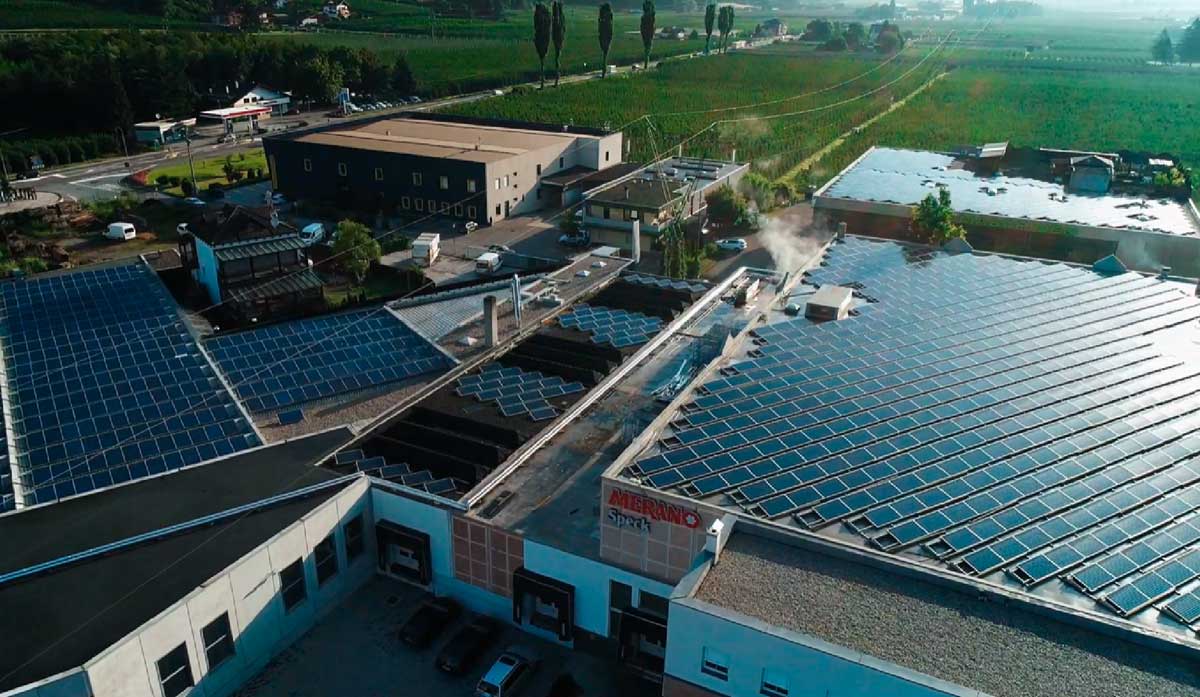
Despite its tradition, Merano Speck is positioned for the future. Photovoltaic systems and our own water management contribute to sustainable production. Furthermore, 60 per cent of the plastic used for packaging is replaced by renewable wood.

Our image film