



When the first mists rolled over the valleys in the fall and the air turned cool and crisp, a centuries-old tradition began in the South Tyrolean mountains. It was the time when farmers slaughtered their animals—not out of abundance, but out of wise foresight and a deep connection to nature and the seasons.
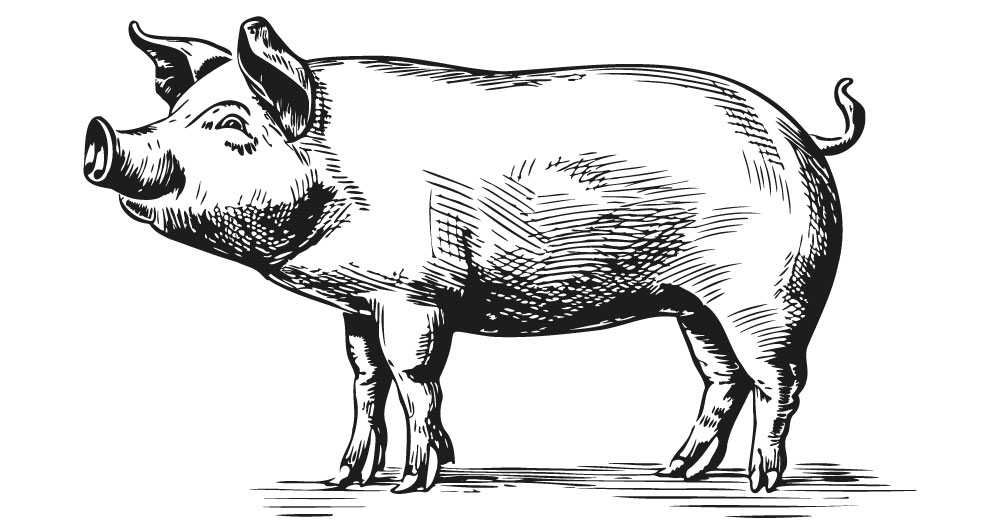
The pigs were now plump and fat, fed on the most aromatic herbs of the Alpine flora. The dropping temperatures at that time provided the ideal conditions for preserving the meat without any modern refrigeration technology.
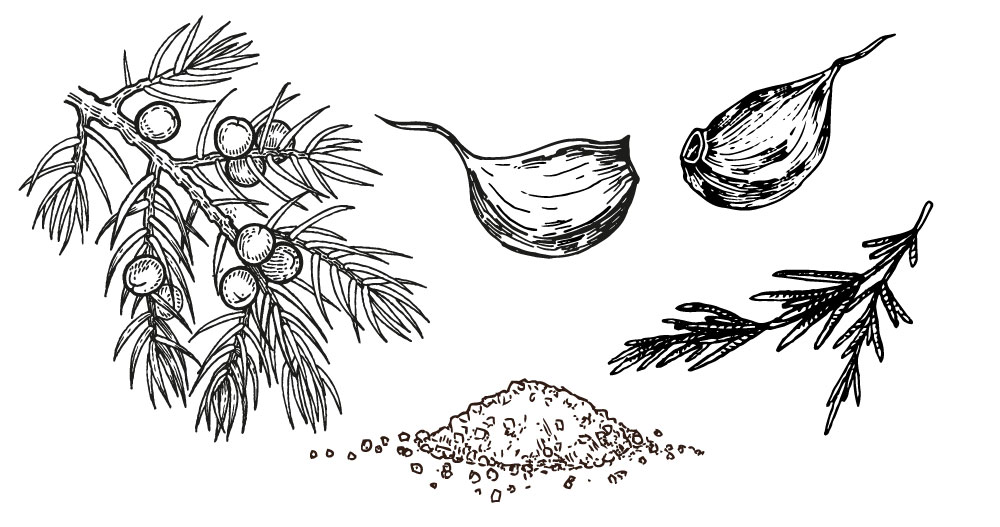
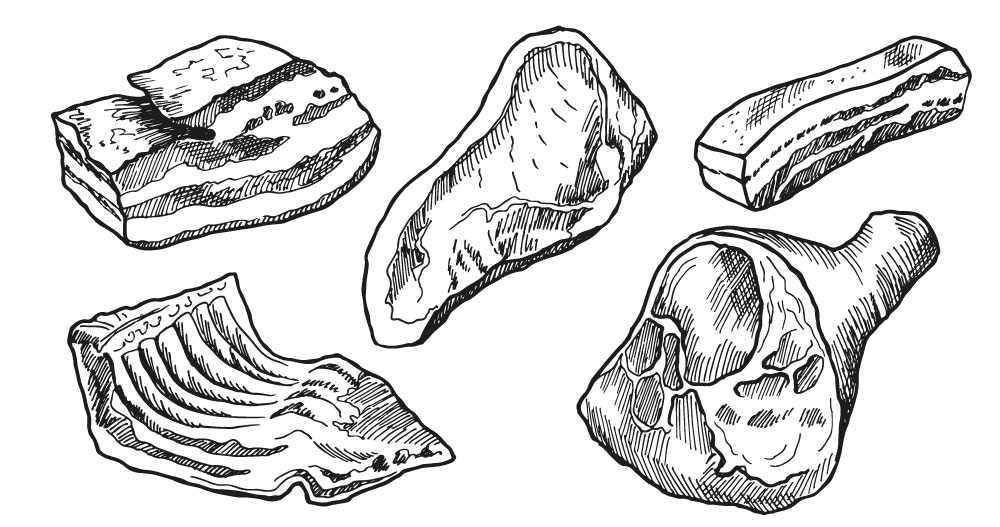
Back then, people didn’t use individual cuts; they used the entire side of the pig. From the neck to the shoulder and back, all the way to the belly and ham, everything was used—nothing went to waste. The side was rubbed by hand with salt, garlic, juniper, and other Alpine herbs. And above all: with great dedication, care, and time-honored knowledge.
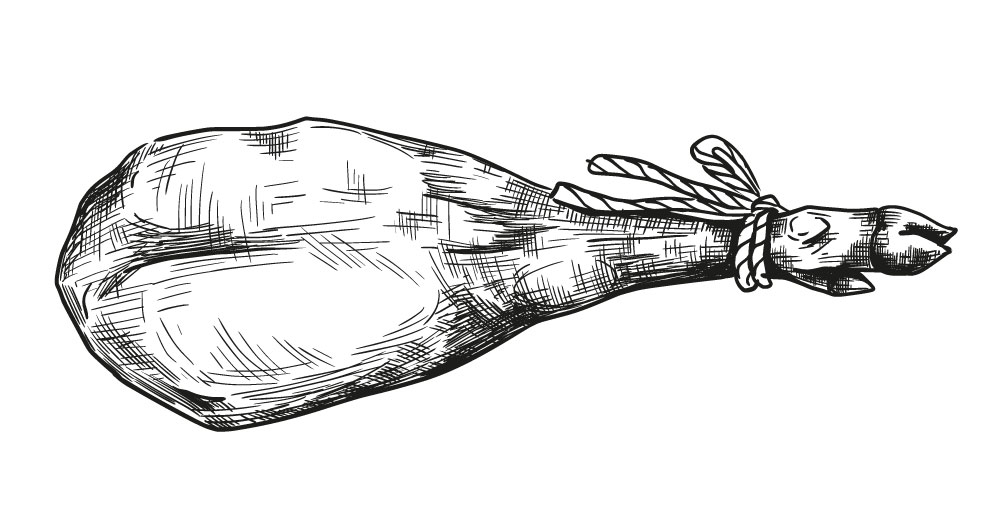
The meat was then hung in the attic, the barn, or under the eaves. The cool breeze, the dry mountain air, and the passage of time itself were the best curing agents. Thus began a journey that was not only culinary in nature, but also a journey through time:
From the “Coppa” from the neck to the savory pancetta from the belly, all the way to the king of bacon—the air-cured ham, now known as Merafino South Tyrolean Speck PGI.
In the past, a small piece was cut off each week. It was a slow, deliberate process of using the meat in accordance with the animal’s anatomy and in harmony with the seasons. After about six months, the actual ham was ready—just as spring arrived and the bacon had reached its perfect maturity.
So these 22 weeks of aging are no coincidence. They are a living tradition in the mountains. They reflect what our ancestors knew long ago: that true quality is not achieved in days, but in months.
Not only does this bacon have a truly distinctive flavor, but it also conveys the history of the mountains, the rhythm of the seasons, and the character of the people who continue to produce it with pride to this day.